No resources found.
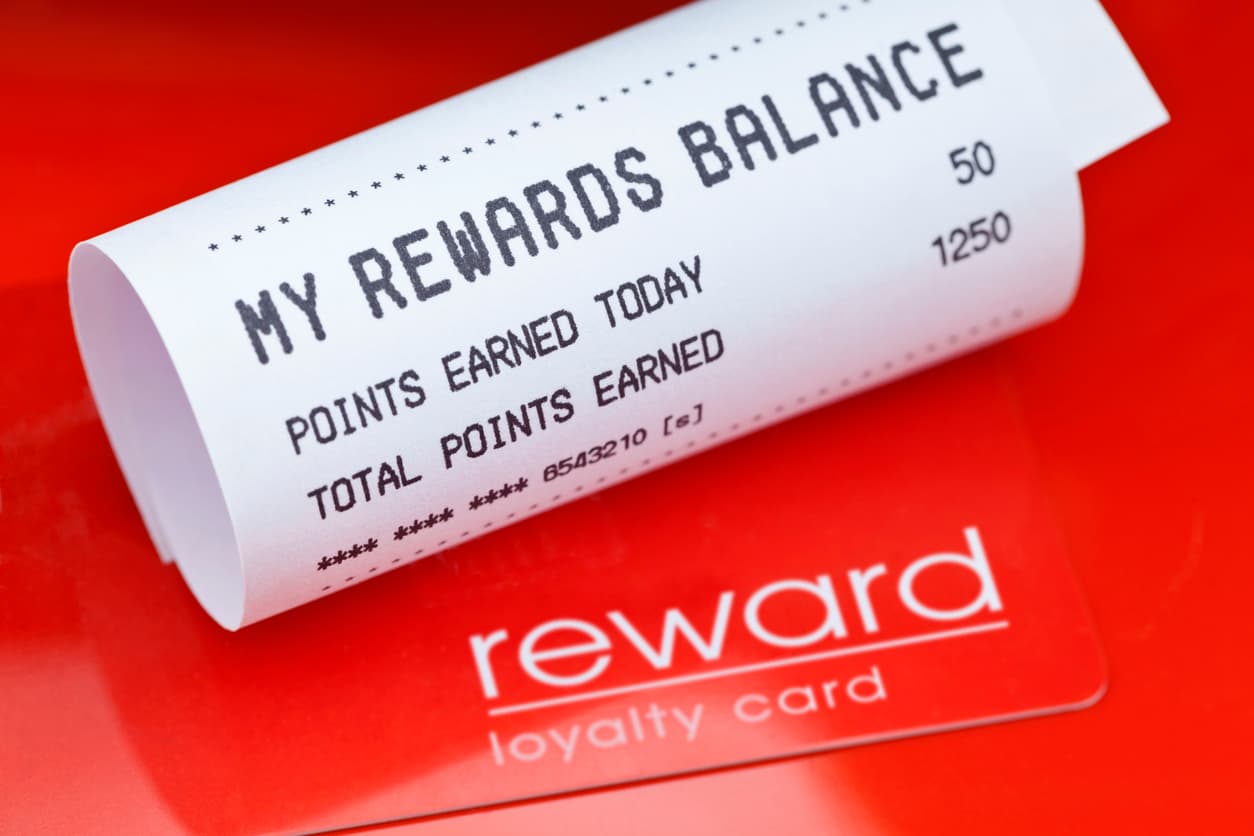

By RewardPay
3 min read
Creating Effective Customer Loyalty Programs for Small Businesses
Did you know that acquiring new customers can cost five times more than retaining existing ones? With this in mind, it’s no surprise that small businesses are turning to effective customer loyalty programs for small businesses as a way to keep customers coming back and spending more. In this article, we’ll explore the importance of […]
Did you know that acquiring new customers can cost five times more than retaining existing ones? With this in mind, it’s no surprise that small businesses are turning to effective customer loyalty programs for small businesses as a way to keep customers coming back and spending more.
In this article, we’ll explore the importance of customer loyalty programs for small businesses, the different types of programs available, and tips for implementing a successful program. We’ll also discuss how to integrate technology into your loyalty program and measure its success. So, let’s dive in and discover how to create an effective customer loyalty program that will take your small business to new heights!
Key Takeaways
- Small businesses can benefit from customer loyalty programs to drive loyalty and reward customers.
- Create a tailored program that resonates with your customers, set clear goals & objectives, choose the right rewards and integrate technology for maximum success.
- Overcome common challenges through careful planning & regular monitoring. Learn from successful case studies for creative ideas!
The Importance of Customer Loyalty Programs for Small Businesses
Small businesses rely on customer loyalty programs to retain customers, drive revenue growth, and maintain competitiveness. These programs not only help maintain customer relationships but also boost revenue by encouraging repeat purchases. Moreover, loyalty programs can build customer loyalty, maximise customer lifetime value, and incentivize customers to keep coming back and spending more on products or services.
Various types of customer loyalty programs can cater to different customer preferences. Some popular types include:
- Points-based programs
- Tiered programs
- Subscription-based programs
- Cashback Programs
Implementing a well-designed customer loyalty program can lead to improved customer engagement, stronger brand loyalty, and increased revenues for small businesses.
Types of Customer Loyalty Programs: Pros and Cons
Understanding the varied types of customer loyalty programs and their individual pros and cons is key to designing a successful one. This understanding allows businesses to select a program format that aligns with customer preferences and meets their objectives. Some popular types of customer loyalty programs include:
- Points-based programs
- Tiered programs
- Subscription-based programs
- Cashback programs
These programs can reward customers, including existing customers and new customers, for making frequent purchases and incentivize them to continue their patronage.
Each type of customer loyalty program has its own set of benefits and drawbacks. Here are some examples:
- Points-based programs can be highly motivating for customers.
- Tiered programs can create a sense of progression and achievement.
- Subscription-based programs can offer exclusive benefits.
- Cashback programs provide instant savings on purchases.
Points-Based Programs
Points-based programs are a popular choice among businesses, as they reward customers with points for purchases, which can then be redeemed for discounts or special offers.
Offering an attractive incentive and giving customers a realistic timeline to earn the incentive are two keys to making a points-based loyalty program successful. For example, the Atlas Coffee Club rewards program and Treehouse’s points-based gamification in their loyalty program are excellent examples of successful points-based customer loyalty programs. Sephora’s Beauty Insider program, which offers a choice of gifts and an online community for customers, is another shining example of a well-executed points-based program.
However, points-based programs must be carefully designed to offer valuable rewards that truly resonate with customers. If the rewards are perceived as insignificant or the points system is too confusing, customers may lose interest in the program. Striking a balance between offering appealing rewards and maintaining the program’s profitability is crucial.
Tiered Programs
Tiered programs offer different levels of rewards based on customer spending, encouraging customers to reach higher tiers for better benefits. These programs provide a dependable framework for customers to plan ahead and strive for, over a long period of time. DSW’s VIP customer loyalty tier program for Canadian customers is an exemplary program designed based on customer buying behaviour and includes highly rewarding benefits like free shipping and extra points for donating unwanted shoes.
While tiered programs can be engaging and motivating for customers, they may also require more complex management compared to other types of loyalty programs. Regular monitoring and evaluation of the tiered program’s performance is necessary to maintain its attractiveness for customers and profitability for the business.
Subscription-Based Programs
Subscription-based programs reward customers for their loyalty when they subscribe to a product or service, offering exclusive benefits such as discounts or access to premium content. Subscribing to a loyalty program offers customers the ease of automatic payments and the opportunity to accumulate rewards as time passes. One shining example of a successful subscription program is Birchbox, a monthly beauty subscription box.
Yet, subscription-based programs might not be a fit for all businesses due to the required commitment to recurring payments from customers. Businesses must carefully consider whether a subscription-based program aligns with their products or services, target audience, and overall business goals before implementing this type of loyalty program.
Cashback Programs
Cashback programs offer customers a percentage of their spending back as cash or credit, making them an attractive option for those looking to save on their purchases. These programs provide an immediate and tangible benefit for customers, making them more likely to participate and remain engaged with the program.
However, cashback programs may not be as engaging as other types of loyalty programs, as they do not offer the same sense of progression or achievement as tiered or points-based programs. Additionally, cashback rewards may not provide the same level of emotional or experiential value as other types of rewards, such as exclusive events or personalised offers.
A careful consideration of pros and cons is needed for businesses thinking of implementing a cashback program to ensure it aligns with their customer base and business objectives.
Implementing a Successful Customer Loyalty Program
Careful planning, execution, and continuous adjustments are required to ensure a customer loyalty program is successful, meets business goals, and delivers value to customers. The first step in implementing a successful loyalty program is understanding your customers and their preferences, as this will enable you to design a program that resonates with them and encourages them to remain loyal to your business.
Setting clear goals and objectives for your loyalty program will help you measure its success and make necessary adjustments over time to ensure maximum success. Additionally, selecting valuable and relevant rewards for your customers is essential for maintaining their interest and loyalty.
Know Your Customers
Understanding your customers’ preferences and needs is crucial for designing a loyalty program that appeals to them and encourages repeat business. By analysing customer data and feedback, businesses can gain valuable insights into their customers’ preferences and tailor their loyalty program accordingly.
For example, a clothing company could use customer behaviour data to:
- Suggest items that are relevant to their interests and needs
- Offer personalised discounts and promotions
- Provide exclusive access to new products or collections
These strategies can help build customer loyalty and increase engagement with the loyalty program through effective loyalty campaigns.
By knowing your customers and their preferences, you can create a loyalty program that resonates with them and encourages them to continue their patronage. This, in turn, will help your small business grow and maintain a competitive edge in the market.
Set Clear Goals and Objectives
To measure the success of your loyalty program and make necessary improvements, it’s important to set clear goals and objectives. Businesses should establish specific and measurable goals for their loyalty program, such as increasing customer retention, boosting customer lifetime value, or improving customer satisfaction. By tracking the progress of these goals, businesses can identify areas for improvement and make timely adjustments to their loyalty program.
Moreover, having clear goals and objectives can help businesses effectively manage program complexity, ensuring that the program remains attractive and beneficial for customers while also being profitable and manageable for the business itself.
Choose the Right Rewards
Choosing appropriate rewards for your customer loyalty program is vital for sustaining customer interest and loyalty. Businesses should choose rewards that are:
- Valuable and relevant to their customers, such as enticing discounts or coupons on future purchases
- Generous free products or services
- Exclusive access to new products or promotions
- VIP treatment or priority service to make them feel special
- Delightful birthday bonuses or personalised offers to show how much you value them.
Furthermore, businesses can consider offering a variety of rewards to cater to different customer preferences and ensure that the program remains engaging and attractive to a diverse customer base. Some examples of rewards that businesses can offer include:
- Discounts on future purchases
- Free products or services
- Exclusive access to new products or events
- Points or credits that can be redeemed for rewards
- Personalised offers or recommendations
By carefully selecting the right rewards, businesses can create a loyalty program that resonates with their loyal customers and encourages repeat business.
Integrating Technology into Your Customer Loyalty Program
The integration of technology, such as customer loyalty software, into your customer loyalty program can simplify processes, enhance customer experience, and offer insightful data for your business. By leveraging technology like mobile apps, customer relationship management (CRM) systems, and marketing automation tools, businesses can efficiently manage and optimise their loyalty program campaigns, saving time and resources.
In addition, technology can help businesses in the following ways:
- Collect and analyse customer data to gain valuable insights into customer preferences and behaviour
- Refine their loyalty programs based on these insights
- Better cater to their customers’ needs
- Create more engaging and effective loyalty programs
- Drive customer retention and revenue growth
By harnessing the power of technology, businesses can achieve these benefits.
Mobile Apps
Mobile apps can make it easy for customers to access and manage their loyalty program while also providing businesses with valuable data. These apps can simplify the loyalty program experience for customers, making it more convenient for them to track their rewards and engage with the program.
In addition, mobile apps can provide businesses with valuable insights into customer behaviour and preferences, enabling them to make data-driven decisions and tailor their loyalty program accordingly.
Flok is an example of an automatic mobile loyalty solution that can be used to enhance customer loyalty programs. By integrating mobile apps into your customer loyalty program, you can improve the overall customer experience and increase customer engagement, ultimately driving greater loyalty and revenue for your business.
Customer Relationship Management (CRM) Systems
CRM systems can help businesses manage customer data, track loyalty program performance, and personalise customer interactions. By leveraging CRM systems, businesses can not only streamline their loyalty program processes, but also gain valuable insights into customer preferences and behaviour, enabling them to refine their loyalty programs and better cater to their customers’ needs.
Moreover, CRM systems can help businesses in the following ways:
- Monitor and evaluate the performance of their loyalty program
- Identify areas for improvement and make necessary adjustments to ensure the program remains attractive and effective for their customers
- Effectively manage and optimise their loyalty program
- Enhance the overall customer experience
By integrating CRM systems into your customer loyalty program, you can achieve these benefits.
Marketing Automation Tools
Marketing automation tools can help businesses efficiently manage and optimise their loyalty program campaigns, saving time and resources. These tools can automate and optimise loyalty program campaigns, such as email campaigns, social media posts, and other promotional activities, helping businesses drive more engagement with their customers and gain valuable insights into their preferences.
Some examples of successful marketing automation tools used in loyalty programs include MailChimp, Constant Contact, and HubSpot. By utilising marketing automation tools in your customer loyalty program, you can not only save time and resources but also improve customer engagement and drive greater loyalty and revenue for your business.
Measuring the Success of Your Customer Loyalty Program
Quantifying the success of your customer loyalty program is crucial for making enhancements and aligning it with your business goals. By tracking metrics such as customer retention rate, customer lifetime value, and customer satisfaction, businesses can monitor the performance of their loyalty program and identify areas for improvement. Oracle Simphony POS, for example, provides real-time analytics to help businesses track the success of their loyalty program.
Regular monitoring and evaluation of your customer loyalty program will enable you to make necessary adjustments and optimise its performance. By measuring the success of your program, you can ensure that it remains engaging and effective for your customers, ultimately driving customer retention and revenue growth for your business.
Common Challenges and How to Overcome Them
The implementation of customer loyalty programs often faces challenges such as sustaining customer engagement, managing the complexity of the program, and data security. To manage loyalty programs effectively, overcoming these challenges requires careful planning, regular monitoring, and ongoing adjustments.
Businesses can encourage customers to maintain engagement and loyalty by offering rewards aligned with their interests, providing individualised customer service, and fostering a sense of community.
To effectively manage program complexity, businesses should set clear goals and objectives, leverage technology to automate processes, and consistently monitor and evaluate the program. Additionally, businesses can protect their data by utilising secure payment methods, encrypting data, and consistently refreshing their security protocols.
By addressing these common challenges, businesses can create a customer loyalty program that drives customer retention, revenue growth, and overall business success.
Summary
In conclusion, customer loyalty programs are helpful for small businesses to retain customers, increase revenue, and stay competitive in the market. By understanding the different types of loyalty programs, implementing a well-designed program, and integrating technology into your program, you can create a successful customer loyalty program that drives customer retention and revenue growth. Don’t forget to measure the success of your program and make necessary adjustments to ensure it remains engaging and effective for your customers. With careful planning and execution, your small business can create a customer loyalty program that takes it to new heights.
Frequently Asked Questions
Do loyalty programs work for small businesses?
Loyalty programs help small businesses nurture relationships with their customers, resulting in higher spending and increased purchase frequency. Therefore, loyalty programs can definitely be beneficial to small businesses.
What makes an effective customer loyalty program?
An effective customer loyalty program should give customers special perks such as early access to new products, clear and consistent communication on how they can join, earn and redeem rewards, and make customers feel like they are getting something in return, such as cashback or money to spend with the business.
Rewards should be tailored to the customer’s interests and needs, and should be easy to understand and use. Customers should be able to track their progress and see how close they are to achieving their goals. Additionally, businesses should provide incentives for customers to stay loyal, such as exclusive discounts or access to special events.
How can businesses effectively manage program complexity?
Businesses can effectively manage program complexity by setting clear goals, leveraging technology to automate processes, and consistently monitoring and evaluating progress. Doing so creates structure and provides invaluable insight for problem-solving.
What is a gamified loyalty program?
A gamified loyalty program is an engaging way to reward customers for making purchases, utilising game-like elements to motivate and excite them. By incorporating elements such as points, levels, rewards, and leaderboards, customers are incentivized to keep coming back and engaging with the brand. This helps to build customer loyalty and increase customer retention. The rewards
How can businesses protect their data in loyalty programs?
Businesses can protect their data in loyalty programs by using secure payment methods, encrypting data, and regularly updating security protocols. Secure payment methods can help protect customer data from being stolen or misused. Encryption can help ensure that data is kept confidential and secure. Finally, regularly updating security protocols can help ensure that data is kept up
More Small Business Articles

 Still have questions? Chat with us.
Signing up is free, takes around 5 minutes, and there are no setup fees or ongoing obligations. Click here to register. You will need your ABN, email address, and mobile number. When creating your password, make sure it is unique to RewardPay and stored somewhere safe. Once registered, check your email to verify your email address, then log in and complete a one-time identity verification. Once verified, your account is ready to start making payments and earning rewards.
RewardPay offers three subscription tiers. The Free tier has no platform fee and you only pay a processing fee per transaction. The Silver tier ($79/month) and Gold tier ($159/month) offer progressively lower Amex transaction rates, making them well suited to higher volume businesses. Visa, Mastercard and Bank payment fees are the same across all tiers. All platform fees are billed 3 months in advance and processing fees are a deductible business expense. See our full pricing breakdown here.
RewardPay supports payments to any Australian business with an active ABN – including suppliers, the ATO, superannuation clearing houses, rent, contractors, marketing, utilities, equipment and accounting. Payroll payments are also supported via Visa, Mastercard or Pay-by-Bank. Some restrictions apply – see the RewardPay Terms & Conditions for details.